Chicken Stir Fry Recipe

A Perfect Balance of Nutrition and Flavor
If there’s one dish that perfectly walks the line between healthy and delicious, it’s chicken stir fry. Think about it—lean protein, vibrant vegetables, and a glossy, flavorful sauce all coming together in one pan. It’s the kind of meal that doesn’t just fill you up, but actually makes you feel good afterward. And honestly, how many comfort foods can say that?
Chicken breast, the star of this dish, is packed with protein while staying relatively low in fat. Pair that with fiber-rich vegetables like broccoli and carrots, and you’ve got a meal that supports energy, digestion, and overall health. According to nutrition experts, meals that combine protein and fiber can help maintain steady blood sugar levels, which means fewer energy crashes later on.
But let’s not pretend we’re only here for the health benefits—the flavor is where this dish truly shines. The stir fry sauce brings a perfect harmony of sweet honey, savory soy sauce, and a subtle kick from red pepper flakes. Add in the aromatic punch of garlic and ginger, and suddenly your kitchen smells like your favorite takeout spot—but better.
Quick Cooking for Busy Lifestyles
Let’s be real—most people don’t have hours to spend cooking dinner every night. Between school, work, and everything else life throws at you, meals need to be fast without sacrificing quality. That’s exactly where chicken stir fry becomes a lifesaver.
This dish comes together in under 30 minutes, and a big reason for that is the cooking method itself. Stir frying uses high heat and quick movements, which means everything cooks faster while still keeping its texture and flavor intact. Unlike slow-cooked meals that require patience, this one rewards speed and attention.
Preparation is key here. Once your ingredients are chopped and ready to go, the actual cooking process moves quickly—almost like a well-choreographed dance. The chicken cooks in just a few minutes, the vegetables stay crisp-tender, and the sauce thickens almost instantly once it hits the heat. It’s fast, efficient, and incredibly satisfying to watch.
Another advantage? Minimal cleanup. Since everything is cooked in a single pan or wok, you’re not left with a mountain of dishes afterward. That alone makes it a win for weeknight dinners.
This recipe also fits perfectly into meal prep routines. You can chop your vegetables and cube your chicken ahead of time, store them in the fridge, and have dinner ready in minutes when you need it. It’s like setting your future self up for success.
Ingredients Breakdown: What Makes This Dish Shine
Choosing the Right Chicken Cut
When it comes to making a truly great chicken stir fry, the type of chicken you use matters more than you might think. While the recipe calls for boneless, skinless chicken breast—and for good reason—it’s worth understanding why this cut works so well and what your alternatives are.
Chicken breast is lean, cooks quickly, and absorbs flavors beautifully. When cut into evenly sized one-inch cubes, it ensures consistent cooking, which is crucial in a fast-paced stir fry. Nobody wants some pieces overcooked and dry while others are underdone. Uniformity is your best friend here.
That said, chicken breast can sometimes get a bad reputation for being dry. The trick is all in the cooking technique. High heat and short cooking times help lock in moisture, while the sauce adds an extra layer of juiciness. Overcooking is the real enemy, not the cut itself.
If you prefer a richer, more tender texture, chicken thighs are a fantastic alternative. They contain slightly more fat, which makes them more forgiving during cooking. Even if you accidentally leave them on the heat a bit longer, they’ll still stay juicy. Many chefs actually prefer thighs for stir fry because of this.
Here’s a quick comparison:
| Cut | Texture | Flavor | Cooking Ease |
|---|---|---|---|
| Chicken Breast | Lean, firm | Mild | Requires attention |
| Chicken Thigh | Juicy, tender | Richer | More forgiving |
No matter which cut you choose, seasoning is key. A simple sprinkle of salt and pepper before cooking goes a long way in enhancing the natural flavor of the chicken. And remember, the chicken isn’t just a protein—it’s the foundation of the entire dish.
Another small but important tip? Pat your chicken dry before cooking. Excess moisture can prevent proper browning, and that golden sear is where a lot of flavor comes from. It’s a tiny step that makes a big difference.
Fresh Vegetables for Maximum Crunch
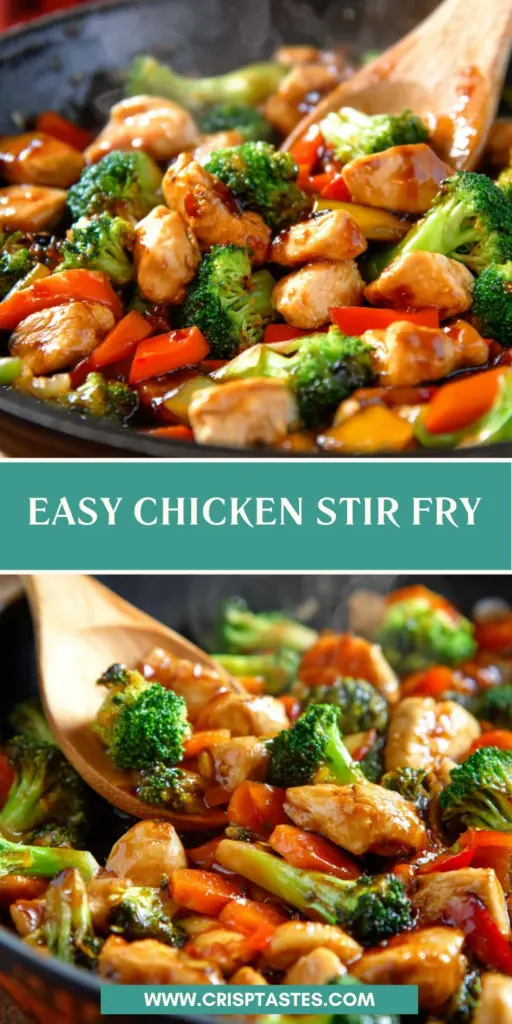
When you think of a great chicken stir fry, it’s not just about the chicken—it’s the vegetables that bring color, texture, and life to the dish. Imagine a plate that’s all one color and texture. Sounds boring, right? That’s exactly why this recipe leans into a vibrant mix of broccoli, bell peppers, and carrots. Each vegetable plays a specific role, and together they create a balance that keeps every bite interesting.
Broccoli florets are like the backbone of this stir fry. They soak up the sauce beautifully while still maintaining a slight crunch when cooked properly. That contrast—tender yet crisp—is what makes stir fry vegetables so addictive. Then you’ve got bell peppers, both yellow and red, adding natural sweetness and a pop of color that makes the dish visually appealing. It’s almost like edible confetti scattered throughout your pan.
Carrots, sliced thinly, bring a subtle earthy sweetness and a firmer bite. They take a bit longer to cook than the other vegetables, which is why slicing them evenly is crucial. If they’re too thick, they’ll stay too hard; too thin, and they’ll lose their signature crunch. It’s all about balance.
What really sets a good stir fry apart is the concept of “crisp-tender” vegetables. You’re not boiling them into softness—you’re quickly cooking them over medium-high heat so they retain their structure. Overcooked vegetables can turn mushy and dull, and that’s the fastest way to ruin an otherwise great dish.
Another advantage of these vegetables is their nutritional value. Broccoli is rich in vitamin C and fiber, bell peppers are loaded with antioxidants, and carrots bring beta-carotene to the table. So while you’re enjoying a flavorful meal, your body is quietly thanking you.
And don’t feel boxed in by this exact combination. Stir fry is one of the most flexible dishes out there. You can easily swap or add vegetables like snap peas, mushrooms, zucchini, or even baby corn. Think of your fridge as your ingredient list—whatever needs to be used up can probably find a home in your stir fry.
At the end of the day, the vegetables are what transform this from just “chicken in sauce” into a complete, satisfying meal. They add crunch, color, and character—and honestly, they make the dish feel alive.
The Secret Behind a Perfect Stir Fry Sauce
Let’s talk about the real magic maker: the stir fry sauce. You could have perfectly cooked chicken and crisp vegetables, but without a great sauce, the dish falls flat. This sauce is what ties everything together, coating each ingredient in a glossy, flavorful layer that makes you want to go back for seconds (or thirds).
The base of this sauce starts with a simple but powerful combination: soy sauce and chicken broth. The soy sauce brings that deep, savory umami flavor, while the broth adds volume and a subtle richness without making things too salty. Using low-sodium versions of both gives you better control over the final taste, which is always a smart move.
Then comes the honey, which introduces sweetness to balance out the saltiness. This sweet-and-savory combo is what makes stir fry so irresistible. It’s not overpoweringly sweet—it’s just enough to round out the flavors and create harmony.
But what really elevates this sauce is the addition of toasted sesame oil. Just a small amount adds a nutty, aromatic depth that instantly makes the dish feel more authentic. It’s one of those ingredients where a little goes a long way, but its impact is huge.
Garlic and ginger, although added separately during cooking, also infuse the sauce with bold, fragrant notes. These two ingredients are like the dynamic duo of stir fry—they bring warmth, spice, and complexity that you simply can’t replicate with anything else.
Now, let’s not forget the cornstarch slurry. This is the secret weapon that transforms your sauce from watery to silky. By mixing cornstarch with cold water before adding it to the sauce, you ensure a smooth consistency without lumps. Once heated, it thickens quickly, creating that glossy coating you see in restaurant-style stir fry.
The crushed red pepper flakes add a gentle kick of heat, but nothing overwhelming. It’s more of a background note that enhances the overall flavor rather than dominating it. Of course, if you like things spicier, you can always adjust the amount.
What’s fascinating about this sauce is how it hits multiple flavor notes at once:
- Savory from soy sauce
- Sweet from honey
- Nutty from sesame oil
- Spicy from red pepper flakes
- Aromatic from garlic and ginger
It’s like a symphony where every ingredient plays its part perfectly.
Essential Kitchen Tools for Stir Fry Success
Wok vs Skillet: Does It Really Matter?
There’s always that one question that pops up when making stir fry: Do you really need a wok? The short answer? No—but it definitely helps. The long answer is a bit more interesting, because it’s not just about tradition; it’s about how heat and space affect your cooking.
A wok is designed with high, sloping sides that allow heat to distribute unevenly in a very intentional way. The bottom gets extremely hot, perfect for searing, while the sides are slightly cooler, letting you move ingredients around without overcooking them. It’s like having multiple cooking zones in one pan. That’s why professional kitchens swear by it.
But here’s the thing—not everyone has a wok sitting in their kitchen, and that’s completely fine. A large skillet, especially one that retains heat well, can do a fantastic job. The key is making sure it’s big enough to avoid overcrowding. When too many ingredients are packed into a small space, they start to steam instead of sear, and that’s not what you want in a stir fry.
If you’re using a skillet, you might need to cook in batches, especially for the chicken. It might feel like an extra step, but it actually improves the final result. You’ll get better browning, more flavor, and a nicer texture overall.
Another factor to consider is heat. Stir frying works best over medium-high to high heat. Whether you’re using a wok or a skillet, preheating your pan is essential. Adding ingredients to a cold pan is like trying to sprint before tying your shoes—it just doesn’t work.
Also, don’t forget about your cooking utensils. A sturdy spatula or wooden spoon makes it easier to toss and move ingredients quickly. Stir frying is an active process—you’re not just standing there, you’re constantly engaging with the food.
So, does it really matter whether you use a wok or a skillet? Not as much as you might think. What matters more is how you use the tool you have. With the right technique, attention to heat, and a bit of practice, you can achieve amazing results either way.
At the end of the day, the best tool is the one you’re comfortable using. Cooking should feel approachable, not intimidating. And once you get the hang of it, you’ll realize that great stir fry isn’t about having fancy equipment—it’s about understanding the process.
Prep Tools That Save Time
If there’s one thing that separates a smooth, enjoyable cooking experience from a chaotic one, it’s preparation. Stir fry moves fast—like, really fast—so having the right prep tools on hand can make all the difference. Think of it like setting up dominoes. If everything is lined up properly, the process flows effortlessly. If not, things fall apart quickly.
A sharp chef’s knife is your best friend here. It allows you to cut chicken into even cubes and slice vegetables uniformly, which ensures everything cooks at the same rate. Uneven cuts might not seem like a big deal at first, but they can lead to overcooked broccoli and undercooked carrots in the same pan. That’s not exactly the goal.
Cutting boards are another essential, and if possible, it’s a good idea to use separate boards for raw chicken and vegetables. This keeps things safe and hygienic without adding much extra effort. A little organization upfront goes a long way.
Mixing bowls also play a key role, especially for preparing your stir fry sauce. Having it whisked and ready before you start cooking is crucial. Once the heat is on, you won’t have time to measure out ingredients—you’ll need to act quickly. This is why many cooks follow the concept of “mise en place,” which simply means having everything in its place before you begin.
Tongs or a spatula are essential for handling the chicken and tossing ingredients. You’ll be moving things around constantly, and having a reliable tool makes the process smoother and safer. No one wants to struggle flipping hot chicken pieces while oil is sizzling in the pan.
If you really want to level up your efficiency, consider using small prep bowls to organize ingredients like minced garlic, ginger, and sliced vegetables. It might feel like extra work at first, but when you’re in the middle of cooking, you’ll appreciate how easy it is to grab and go.
Time-saving tools aren’t about being fancy—they’re about being practical. They reduce stress, improve consistency, and make cooking feel less like a chore and more like something you actually enjoy. And once you get into the habit of prepping properly, you’ll wonder how you ever cooked without it
Step-by-Step Cooking Guide
Preparing Ingredients the Right Way
Before you even think about turning on the stove, everything needs to be prepped and ready. Stir fry isn’t the kind of dish where you can chop vegetables while something cooks—it all happens too quickly. This stage might feel a bit slow, but it sets the tone for everything that follows.
Start with the chicken. Cut it into evenly sized one-inch cubes, making sure they’re as uniform as possible. This ensures even cooking and prevents some pieces from drying out while others are still undercooked. Once cut, pat the chicken dry with paper towels. This small step helps achieve that golden sear instead of steaming the meat.
Next, move on to the vegetables. Chop the broccoli into bite-sized florets, slice the bell peppers into one-inch pieces, and cut the baby carrots into thin slices. Try to keep everything relatively similar in size—not for perfection, but for consistency. When all the vegetables cook at the same rate, you get that ideal crisp-tender texture across the board.
Garlic and ginger should be minced finely. These ingredients cook quickly and release their flavors almost instantly, so smaller pieces help distribute their taste evenly throughout the dish. You don’t want big chunks overpowering certain bites.
Now, prepare the stir fry sauce. In a medium bowl, whisk together the cornstarch and cold water until smooth. Then add the chicken broth, soy sauce, honey, sesame oil, and red pepper flakes. Mix everything thoroughly and set it aside. This step is crucial—having the sauce ready means you won’t be scrambling later.
Once everything is prepped, take a moment to organize your workspace. Place ingredients within reach in the order you’ll use them. It might seem unnecessary, but when the cooking starts, you’ll appreciate the efficiency.
Preparation isn’t just a step—it’s the foundation of a great stir fry. When everything is ready to go, the cooking process becomes smooth, controlled, and even a little fun.
Cooking Chicken to Perfection
Cooking the chicken properly is one of the most important parts of this entire recipe. It sets the tone for the dish, and if done right, it gives you tender, juicy bites that soak up the sauce beautifully.
Start by heating one tablespoon of olive oil in a large skillet or wok over medium-high heat. You want the oil hot but not smoking—this is the sweet spot where searing happens quickly without burning. Once the oil is ready, add the chicken in a single layer. If your pan isn’t big enough, cook it in batches. Overcrowding the pan leads to steaming instead of browning, and that’s something you want to avoid.
Season the chicken with salt and pepper as it cooks. This simple seasoning enhances the natural flavor and creates a solid base for the sauce later on. Let the chicken cook undisturbed for a minute or two before stirring. This helps develop a light golden crust, which adds depth to the overall flavor.
Stir Frying Vegetables Without Overcooking
Vegetables can make or break a stir fry. Done right, they’re vibrant, crisp, and full of flavor. Done wrong, they turn soft, dull, and lifeless. The goal here is to hit that perfect middle ground—crisp-tender.
After removing the chicken, reduce the heat slightly to medium and add the remaining tablespoon of olive oil to the skillet. Once the oil is heated, toss in the broccoli, bell peppers, and carrots. Immediately start stirring to coat them evenly in oil.
The key is to cook the vegetables just long enough to soften slightly while maintaining their structure. This usually takes a few minutes. You’ll notice the colors becoming brighter—that’s a good sign. It means they’re cooking properly without losing their freshness.
Stir occasionally, but don’t overdo it. Letting the vegetables sit for short moments allows them to develop a slight char, which adds flavor. Constant stirring can prevent this from happening.
Combining Everything with the Sauce
Now comes the moment where everything comes together—the part where your stir fry transforms from separate components into one cohesive, mouthwatering dish.
Start by adding the cooked chicken back into the skillet with the vegetables. Stir everything gently to combine, making sure the chicken is evenly distributed among the vegetables. At this point, the pan should already smell amazing, but we’re about to take it to another level.
Give your stir fry sauce one last whisk to ensure the cornstarch is fully mixed. Then pour it into the skillet. As soon as the sauce hits the heat, it begins to thicken. Stir gently but consistently to coat all the ingredients evenly.
Pro Tips to Elevate Your Chicken Stir Fry
Achieving Restaurant-Quality Texture
Ever wondered why stir fry from your favorite restaurant tastes just a little better—even when you follow the same recipe at home? It often comes down to texture. That slight crisp on the chicken, the vibrant crunch of vegetables, and the glossy sauce that clings perfectly—it’s not magic, it’s technique.
One of the biggest secrets is high heat cooking. Restaurants use powerful burners that heat woks intensely, creating what’s known as “wok hei,” or the breath of the wok. While most home kitchens can’t fully replicate that, you can get close by preheating your pan properly and avoiding overcrowding. When ingredients have enough space, they sear instead of steam, which creates better flavor and texture.
Another trick is drying your ingredients before cooking. Moisture is the enemy of a good sear. Patting your chicken dry and making sure your vegetables aren’t wet helps them cook quickly and develop that slightly caramelized exterior.
Balancing Sweet, Savory, and Heat
A great stir fry isn’t just about cooking—it’s about balance. The reason this dish feels so satisfying is because it hits multiple flavor notes at once. Sweet, savory, slightly spicy—they all work together like instruments in a band, each one contributing without overpowering the others.
The savory base comes from soy sauce and chicken broth. These ingredients provide depth and umami, which is that rich, almost meaty flavor that makes dishes feel complete. Without it, your stir fry would taste flat.
Then there’s the sweetness from honey. It doesn’t just make the dish sweet—it softens the saltiness and adds a smooth, rounded flavor. Think of it like adding a bit of sugar to tomato sauce—it enhances everything else rather than standing out on its own.
The heat from crushed red pepper flakes adds a subtle kick. It’s not meant to burn your mouth, but rather to create a gentle warmth that lingers in the background. If you enjoy spicier food, you can easily adjust this by adding more flakes or even a splash of chili sauce.
Variations You Can Try at Home
Low-Carb and Keto-Friendly Options
If you’re trying to cut back on carbs, you might think stir fry is off the table—but that’s not true at all. This dish is actually one of the easiest to adapt into a low-carb or keto-friendly version without losing its flavor or satisfaction.
The main adjustment comes down to the sauce and what you serve it with. Honey, while delicious, does add carbs. You can replace it with low-carb sweeteners like monk fruit or erythritol. These alternatives mimic sweetness without spiking blood sugar, making them ideal for keto diets.
Cornstarch, used for thickening, can also be swapped. Xanthan gum is a popular low-carb alternative that works similarly—just use a much smaller amount, as it’s more potent.
As for the base, instead of serving your stir fry with rice or noodles, you can use:
- Cauliflower rice for a light, fluffy alternative
- Zucchini noodles for a fresh, slightly crunchy base
- Shirataki noodles for a near-zero-carb option
These swaps keep the dish satisfying while significantly reducing carb content.
The protein and vegetables in this recipe are already keto-friendly, so you’re not starting from scratch—just tweaking a few elements. And surprisingly, many people find these variations just as delicious, if not more.
Eating low-carb doesn’t mean giving up flavor—it just means getting creative with your ingredients.
Vegetarian and Vegan Alternatives
Not into chicken? No problem. One of the best things about stir fry is how adaptable it is. You can easily transform this dish into a vegetarian or vegan version without sacrificing taste or texture.
To replace chicken, consider using:
- Tofu (firm or extra firm, pressed and cubed)
- Tempeh for a nuttier, firmer texture
- Mushrooms, especially portobello or shiitake, for a meaty feel
Tofu is especially popular because it absorbs flavors beautifully. When cooked properly—crispy on the outside, soft on the inside—it becomes incredibly satisfying. A light coating of cornstarch before cooking can help achieve that golden crust.
The sauce can remain mostly the same, but make sure to use vegetable broth instead of chicken broth. Everything else—soy sauce, sesame oil, garlic, ginger—already fits into a vegan-friendly profile.
You can also expand the vegetable variety. Add snap peas, bok choy, or even baby corn to make the dish more vibrant and filling.
This version isn’t just a substitute—it’s a completely valid, delicious dish on its own. Whether you’re vegetarian, vegan, or just trying to eat more plant-based meals, stir fry gives you endless possibilities.
Serving Suggestions for a Complete Meal
Rice, Noodles, and Beyond
A great chicken stir fry can absolutely stand on its own, but pairing it with the right base takes it to another level. The sauce, in particular, practically begs for something to soak into—and that’s where your choice of sides comes in.
Steamed white rice is the classic option. It’s simple, neutral, and lets the flavors of the stir fry shine. Brown rice, on the other hand, adds a slightly nutty taste and extra fiber, making it a healthier alternative.
If you’re in the mood for something heartier, noodles are a fantastic choice. Chow mein or lo mein noodles work beautifully, turning the dish into a more filling, takeout-style meal.
But don’t stop there. There are plenty of creative options:
- Quinoa for added protein
- Fried rice for a richer, more indulgent pairing
- Lettuce wraps for a lighter, low-carb approach
The beauty of stir fry is its flexibility. You can tailor it to your appetite, dietary needs, or even just what you have in your kitchen.
Serving isn’t just about presentation—it’s about enhancing the overall experience. The right pairing makes each bite more satisfying and turns a simple dish into a complete meal.
Common Mistakes to Avoid
Even though chicken stir fry is relatively simple, a few common mistakes can affect the final result. The good news? Once you know what to watch out for, they’re easy to avoid.
One of the biggest mistakes is overcrowding the pan. When too many ingredients are added at once, they release moisture and start steaming instead of searing. This leads to soggy vegetables and pale chicken.
Another issue is overcooking. Stir fry is meant to be quick. Leaving ingredients on the heat for too long can ruin both texture and flavor. Keep things moving and pay attention to timing.
Skipping prep is another common pitfall. If your ingredients aren’t ready before you start cooking, you’ll end up scrambling—and likely overcooking something in the process.
Lastly, not tasting the sauce before adding it can lead to imbalance. A quick taste test allows you to adjust seasoning and ensure everything is just right.
Avoiding these mistakes doesn’t require advanced skills—just awareness and a bit of attention.
Conclusion
Chicken stir fry is more than just a quick dinner—it’s a versatile, flavorful, and satisfying dish that fits into almost any lifestyle. Whether you’re cooking for convenience, health, or pure enjoyment, this recipe delivers on all fronts.
From the tender chicken and crisp vegetables to the perfectly balanced sauce, every element works together to create something truly special. And the best part? It’s completely customizable, allowing you to make it your own every single time.
Once you get comfortable with the process, you’ll find yourself coming back to this dish again and again—not just because it’s easy, but because it’s genuinely good.
FAQs
1. Can I use frozen vegetables for stir fry?
Yes, you can. Just make sure to thaw and drain them კარგად to avoid excess moisture, which can make your stir fry soggy.
2. How do I store leftover chicken stir fry?
Store it in an airtight container in the refrigerator for up to 3–4 days. Reheat in a pan for best texture.
3. Can I make the sauce ahead of time?
Absolutely. You can prepare the sauce a day or two in advance and store it in the fridge. Just whisk before using.
4. What oil is best for stir frying?
Oils with a high smoke point like olive oil, canola oil, or avocado oil work best.
5. How do I make my stir fry less salty?
Use low-sodium soy sauce and add a bit more broth or water to dilute the sauce if needed.
Print
Chicken Stir Fry Recipe
Ingredients
For the Chicken & Vegetables:
-
1 lb boneless, skinless chicken breast (cut into 1-inch cubes)
-
Salt and pepper (to taste)
-
2 tbsp olive oil (divided)
-
2 cups broccoli florets
-
1/2 yellow bell pepper (cut into 1-inch pieces)
-
1/2 red bell pepper (cut into 1-inch pieces)
-
1/2 cup baby carrots (sliced)
-
2 tsp minced ginger
-
2 garlic cloves (minced)
For the Stir Fry Sauce:
-
1 tbsp cornstarch
-
2 tbsp cold water
-
1/4 cup low-sodium chicken broth
-
3 tbsp low-sodium soy sauce
-
1/4 cup honey
-
1 tbsp toasted sesame oil
-
1/2 tsp crushed red pepper flakes
Instructions
In a medium bowl, whisk together the cornstarch and cold water until smooth. Add chicken broth, soy sauce, honey, sesame oil, and red pepper flakes. Mix well and set aside.
Heat 1 tablespoon of olive oil in a large skillet or wok over medium-high heat.
Add the chicken, season with salt and pepper, and cook for 3–5 minutes until fully cooked and lightly browned.
Remove the chicken from the pan and set aside.
Reduce heat to medium and add the remaining 1 tablespoon of oil.
Add broccoli, bell peppers, and carrots. Cook for a few minutes, stirring occasionally, until vegetables are crisp-tender.
Add garlic and ginger, and cook for another 1 minute until fragrant.
Return the cooked chicken to the skillet. Stir to combine with the vegetables.
Whisk the sauce again, then pour it into the skillet.
Stir gently and bring to a boil. Let it cook for about 1 minute until the sauce thickens.
Serve hot with rice, noodles, or enjoy it on its own.