Aromatic Rosemary Sourdough Bread

Introduction to Aromatic Rosemary Sourdough Bread
There’s something magical about baking bread in your own kitchen, isn’t there? The moment you mix the ingredients for Aromatic Rosemary Sourdough Bread, you’re not just creating a loaf; you’re filling your home with warmth and comfort. Imagine the delicious aroma wafting through the air as it rises and bakes, creating the kind of inviting atmosphere that makes everyone feel welcome. This recipe is perfect for busy moms and professionals like you, allowing for a sense of achievement amidst a hectic schedule. So roll up your sleeves, and let’s embark on this aromatic journey together!
Why You’ll Love This Aromatic Rosemary Sourdough Bread
You’ll adore this Aromatic Rosemary Sourdough Bread because it’s incredibly easy and rewarding to make. The flavors meld beautifully, with the savory rosemary enhancing each bite. It’s perfect for busy days, offering a wholesome meal option with minimal effort. Picture a fresh slice, still warm, ready to elevate your lunch or dinner. This homemade bread not only saves time but fills your home with love and flavor!
Ingredients for Aromatic Rosemary Sourdough Bread
Creating your Aromatic Rosemary Sourdough Bread starts with a few simple ingredients. You’ll need all-purpose flour, which provides the structure of the loaf. If you’re feeling adventurous, you can substitute with whole wheat flour for added nutrients or a gluten-free variety to accommodate dietary preferences.
Fresh rosemary brings the star flavor; its earthy and fragrant notes dance through your bread. If fresh rosemary isn’t available, dried rosemary can work too—just use a bit less to maintain balance.
You’ll also need water to hydrate the flour, while an active sourdough starter ferments and rises your dough, lending that unique sour tang. Lastly, salt enhances flavor and strengthens the dough structure.
- 250 grams all purpose flour
- 180 grams water
- 100 grams sourdough starter active
- 5 grams salt
- 3 grams fresh rosemary chopped
Keep in mind that precise quantities for each ingredient can be found at the bottom of the article for easy printing. Happy baking!

How to Make Aromatic Rosemary Sourdough Bread
Making your Aromatic Rosemary Sourdough Bread is a step-by-step adventure that culminates in a delightful loaf. Let’s walk through the process together, ensuring that every step is as enjoyable as the final taste. With a sprinkle of patience and a dash of love, you’re going to create something special.
Step 1: Mixing It All Together
Start by combining all your ingredients in a large mixing bowl. You’ll add the all-purpose flour, active sourdough starter, water, salt, and chopped fresh rosemary. Use a spatula or your hands to mix until it becomes a shaggy dough. The key is to ensure everything is well-incorporated, but avoid overmixing! It should feel slightly sticky and soft, yet hold together. Forming a cohesive dough pangs of excitement; you’re on your way!
Step 2: First Stretch and Fold
After letting your dough rest for about 30 minutes, it’s time for the first stretch and fold. This technique is essential to develop gluten. Wet your hands to prevent sticking and gently lift one side of the dough, stretching it up and folding it over itself. Repeat this process for all four sides of the dough and then cover it. Allow it to rest for another 30 minutes. When you return, the dough should look more elastic and slightly puffy—this indicates it’s coming to life!
Step 3: Second Stretch and Fold
Once half an hour has passed, it’s time to do your second stretch and fold. You’ll notice that the dough has increased in size—this means the gluten is developing beautifully. Again, wet your hands, grab a side of the dough, and stretch it up to fold over. Repeat this for all sides. This process enhances the dough’s strength and creates that lovely chewy texture we all crave in bread. When you’re done, cover it and let it rest for another half hour.
Step 4: Shaping and Cold Fermentation
Now comes one of the most satisfying parts: shaping! Gently tip the dough out onto a lightly floured surface. Using your hands, form it into a round shape. Place it seam-side up in a banneton basket, which helps retain its shape during the final rise. Cover it with a cloth or plastic wrap, then pop it into the fridge for cold fermentation. This step is vital as it allows flavors to deepen and develop fully. You can leave it there for at least 8 hours or up to 72 hours for even better results!
Step 5: Baking the Bread
On baking day, preheat your oven with a Dutch oven inside to 460°F (238°C). Once it’s nice and hot, carefully take the preheated Dutch oven out. Flip your dough onto parchment paper and score it with a sharp knife to help it expand while baking. Place it in the Dutch oven and cover with the lid. Bake for 27 minutes with the lid on, then remove the lid and reduce the temperature to 440°F (227°C). Bake for an additional 8 minutes until it’s golden brown. A beautifully baked loaf should have a deep color and sound hollow when tapped on the bottom.
Step 6: Cool Down Before Slicing
Patience is key as you allow your bread to cool! Once it’s out of the oven, transfer the loaf onto a cooling rack. Cover it with a damp kitchen towel to lock in moisture. Let it cool for at least one hour before slicing. This is crucial, as cutting into the bread too soon can lead to a gummy texture. Store leftovers in a bread box or wrapped in cloth to keep it fresh for longer. Enjoy the wonderful aroma that fills your kitchen and the great satisfaction of your homemade loaf!
Tips for Success
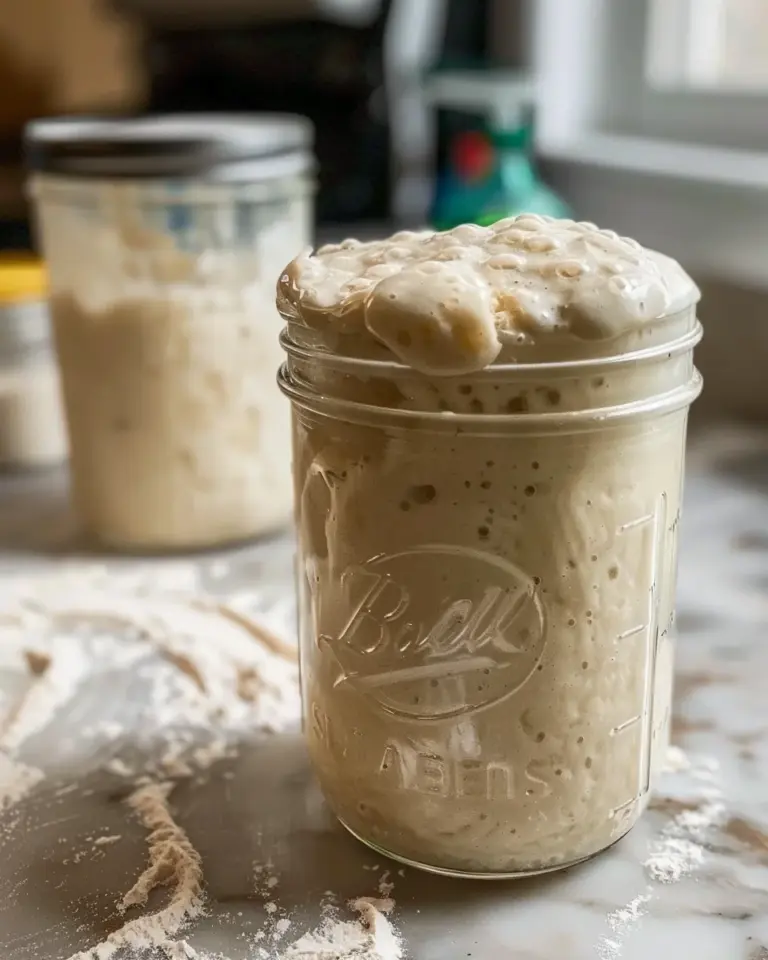
To ensure your Aromatic Rosemary Sourdough Bread turns out perfect every time, start by checking your starter’s activity. It should be bubbly and double in size. Adjust the rosemary based on your taste preferences; a bit more for a stronger flavor or less for a subtler hint. Long fermentation develops richer flavors, so don’t rush. Lastly, keep your baking tools clean and in good condition to make every baking session better.
Equipment Needed
To whip up your Aromatic Rosemary Sourdough Bread, you’ll need a few essential tools. Start with mixing bowls to combine your ingredients. A banneton basket helps shape the dough during cold fermentation, while a Dutch oven creates that perfect crust. If you don’t have a Dutch oven, a regular oven with a baking stone can work, too!
Variations of Aromatic Rosemary Sourdough Bread
If you’re feeling adventurous, the Aromatic Rosemary Sourdough Bread can be a canvas for your culinary creativity! Swap out rosemary for other herbs like thyme or oregano for a different flavor profile. Consider folding in sun-dried tomatoes for a delightful Mediterranean twist or adding olives to pack in extra flavor.
For those needing a gluten-free option, experimenting with gluten-free flour blends can yield tasty results.
Don’t hesitate to play with flavors! Custom pairings, such as cheese or roasted vegetables, can enhance the experience, making each loaf uniquely yours. Let your imagination soar!
Serving Suggestions
When it comes to serving your Aromatic Rosemary Sourdough Bread, the options are delightful! Pair it with creamy goat cheese or a tangy spread like hummus. A light salad alongside makes for a perfect meal. Present the bread in a charming basket, or serve it warm with a generous pat of butter for an irresistible treat!
FAQs about Aromatic Rosemary Sourdough Bread
Wondering how to store your Aromatic Rosemary Sourdough Bread? The best way is to keep it in a bread box or wrap it in a cloth. This helps retain moisture while preventing it from getting stale too quickly.
If you find you have some stale bread on hand, don’t toss it! Revive it by lightly spritzing with water and placing it in a preheated oven for a few minutes. This will bring back its crispy crust and soft interior.
For a successful bake, ensure your sourdough starter is active and bubbly before you begin. Pay attention to the dough’s consistency; it should feel sticky yet manageable.
Remember, the journey of baking bread is about practice, so don’t be discouraged; each loaf is a step toward mastering your skills. Embrace each culinary adventure, and soon enough, you’ll be creating aromatic, flavorful bread consistently!
Final Thoughts
Baking your own Aromatic Rosemary Sourdough Bread is more than just a recipe; it’s an experience full of joy and satisfaction. The delightful aroma wafting through your kitchen creates a welcoming atmosphere, transforming your space into a haven of home-cooked love.
As you slice into the warm, crusty loaf, the freshness of homemade bread fills your heart with pride. Family and friends will gather, eager to share moments over your culinary creation. I encourage you to take this journey—embrace the adventure of baking, and don’t forget to share your tasty results and stories. Happy baking!
Print
Aromatic Rosemary Sourdough Bread
- Total Time: Overnight to 3 days (including refrigeration)
- Yield: 1 loaf 1x
- Diet: Vegetarian
Description
Aromatic Rosemary Sourdough Bread is a flavorful and rustic loaf infused with the delightful aroma of fresh rosemary, perfect for sandwiches or to enjoy with spreads.
Ingredients
- 250 grams all purpose flour
- 180 grams water
- 100 grams sourdough starter active
- 5 grams salt
- 3 grams fresh rosemary chopped
Instructions
- Mix all the ingredients. This includes the all-purpose flour, water, starter, salt, and fresh rosemary. Make sure everything is well combined.
- After 30 minutes, perform the first round of stretch and folds. This helps build the dough’s strength and structure.
- Wait another 30 minutes and do the second round of stretch and folds. This step is crucial for developing gluten.
- Three hours after the second round of stretch and folds, shape the dough. Place it into a banneton basket, cover it with something airtight, and put it in the fridge for at least 8 hours and up to 72 hours.
- Bake directly from the fridge in a preheated Dutch oven. Bake for 27 minutes at 460°F (238°C) with the lid on. Then, remove the lid and bake for an additional 8 minutes at 440°F (227°C) to get a golden brown color. Adjust the bake time if needed based on your oven’s strength.
- After baking, transfer the bread to a cooling rack. Cover it with a damp kitchen towel and leave it to cool for at least an hour before slicing.
Notes
- Make sure your sourdough starter is active before using.
- Feel free to adjust the amount of rosemary based on your preference.
- Store leftover bread in a bread box or wrapped in a cloth to keep it fresh.
- Prep Time: 1 hour (excluding cooling time)
- Cook Time: 35 minutes
- Category: Bread
- Method: Baking
- Cuisine: Italian
Nutrition
- Serving Size: 1 slice
- Calories: 150
- Sugar: 0.5g
- Sodium: 200mg
- Fat: 1g
- Saturated Fat: 0g
- Unsaturated Fat: 1g
- Trans Fat: 0g
- Carbohydrates: 28g
- Fiber: 1g
- Protein: 4g
- Cholesterol: 0mg