
Bead Caterpillar Craft: A Fun and Educational DIY Activity for Kids

Why Simple Crafts Matter for Child Development
Simple crafts might look like just a way to pass time, but they actually play a much bigger role in a child’s growth than most people realize. When kids sit down with something as basic as beads, pipe cleaners, and paper, they’re not just making a cute caterpillar—they’re building essential life skills. Think about it: every time a child picks up a bead and threads it carefully, they’re practicing control, coordination, and patience. These small actions add up in a big way over time.
Crafting also gives kids a break from screens, which is becoming increasingly important. According to child development experts, hands-on activities help stimulate brain areas linked to creativity and problem-solving. Instead of passively consuming content, kids become creators. They decide what colors to use, how long their caterpillar should be, and what personality it might have. That freedom is incredibly empowering.
There’s also an emotional benefit that often gets overlooked. Completing a craft—even a simple one—gives kids a sense of accomplishment. It’s their project, their effort, and their result. That boost in confidence can carry over into other areas of their lives, from schoolwork to social interactions. And let’s be honest, there’s something genuinely heartwarming about seeing a child proudly show off their wiggly little bead caterpillar.
Parents and caregivers benefit too. Crafts like this create an opportunity to connect, laugh, and spend quality time together without distractions. It’s not about perfection; it’s about the shared experience. Whether it’s a rainy afternoon or a quick after-school activity, simple crafts offer a meaningful way to engage with kids while supporting their development in subtle but powerful ways.
Boosting Fine Motor Skills Through Play
Fine motor skills are the small muscle movements in our hands and fingers, and they’re crucial for everyday tasks like writing, buttoning clothes, and even using utensils. Activities like making bead caterpillars are surprisingly effective at strengthening these skills. When kids thread beads onto a pipe cleaner, they’re practicing precision and hand-eye coordination without even realizing it.
It might seem like a tiny action, but picking up a bead and guiding it onto a thin wire requires focus and control. Younger children especially benefit from this kind of repetitive motion because it helps build muscle memory. Over time, these movements become smoother and more natural. It’s like a mini workout for their fingers—only way more fun.
Another interesting aspect is how this activity encourages bilateral coordination. That’s a fancy way of saying both hands are working together. One hand holds the pipe cleaner steady while the other threads the bead. This coordination is essential for many daily tasks, and crafts provide a low-pressure environment to practice it.
Experts often recommend hands-on activities over worksheets for developing motor skills in younger kids. Why? Because kids are more engaged when they’re having fun. They’re not thinking about “learning”—they’re thinking about making something colorful and cool. That’s the magic of play-based learning.
And here’s the best part: kids can go at their own pace. There’s no rush, no strict rules. If they drop a bead or need help, that’s all part of the process. Each attempt helps them improve, and before you know it, they’re threading beads like little pros.
Encouraging Creativity and Imagination
Creativity isn’t something kids are born with in fixed amounts—it’s something that grows with use. Crafts like bead caterpillars are perfect for nurturing that creative spark because they offer just enough structure while leaving plenty of room for imagination. There’s no “right” way to make a caterpillar. It can be rainbow-colored, patterned, or even themed like a favorite character.
When kids choose their own bead colors and arrangements, they’re making decisions and expressing themselves. Maybe one child creates a caterpillar with alternating colors, while another goes for a random mix. Each choice reflects their personality and thought process. It’s fascinating to see how different kids approach the same activity.
Imaginative play often follows naturally. Once the caterpillar is finished, it’s not uncommon for kids to start creating stories around it. Where does it live? What does it eat? Is it on an adventure? Suddenly, a simple craft turns into a storytelling session, which further enhances language and cognitive development.
There’s also a sense of ownership that comes with creative activities. When kids design something themselves, they feel proud of it. That pride encourages them to try new things and take creative risks in the future. It’s a cycle that builds confidence and curiosity.
In a world where so much is pre-made and instant, giving kids the chance to create something from scratch is incredibly valuable. It teaches them that they don’t always need instructions or screens to have fun—they just need a few materials and a little imagination.
What Makes Bead Caterpillars a Perfect Kids’ Craft?
There’s something special about crafts that hit the sweet spot between simplicity and excitement, and bead caterpillars do exactly that. They don’t require fancy tools, expensive kits, or hours of setup. Instead, they rely on everyday craft supplies that are easy to find and even easier to use. That accessibility makes this activity perfect for spontaneous crafting moments—like when a rainy afternoon suddenly stretches longer than expected or when kids start saying, “I’m bored.”
One of the biggest reasons this craft stands out is how quickly kids can see results. Unlike more complex projects that take hours or days, a bead caterpillar comes together fairly fast. That immediate sense of progress keeps kids engaged and motivated. They’re not waiting around wondering when it will be finished—they’re actively enjoying each step as it unfolds.
Another reason this craft works so well is its flexibility. It can be as simple or as detailed as you want it to be. Younger kids might just enjoy threading colorful beads randomly, while older kids can experiment with patterns, symmetry, or even storytelling elements. You can easily adjust the difficulty level without changing the core activity, which makes it ideal for mixed age groups.
There’s also a tactile satisfaction that comes with handling the materials. The soft bend of the pipe cleaner, the smooth surface of the beads, and the fluffiness of the pom-pom all create a sensory-rich experience. For many kids, this hands-on interaction is just as enjoyable as the final result.
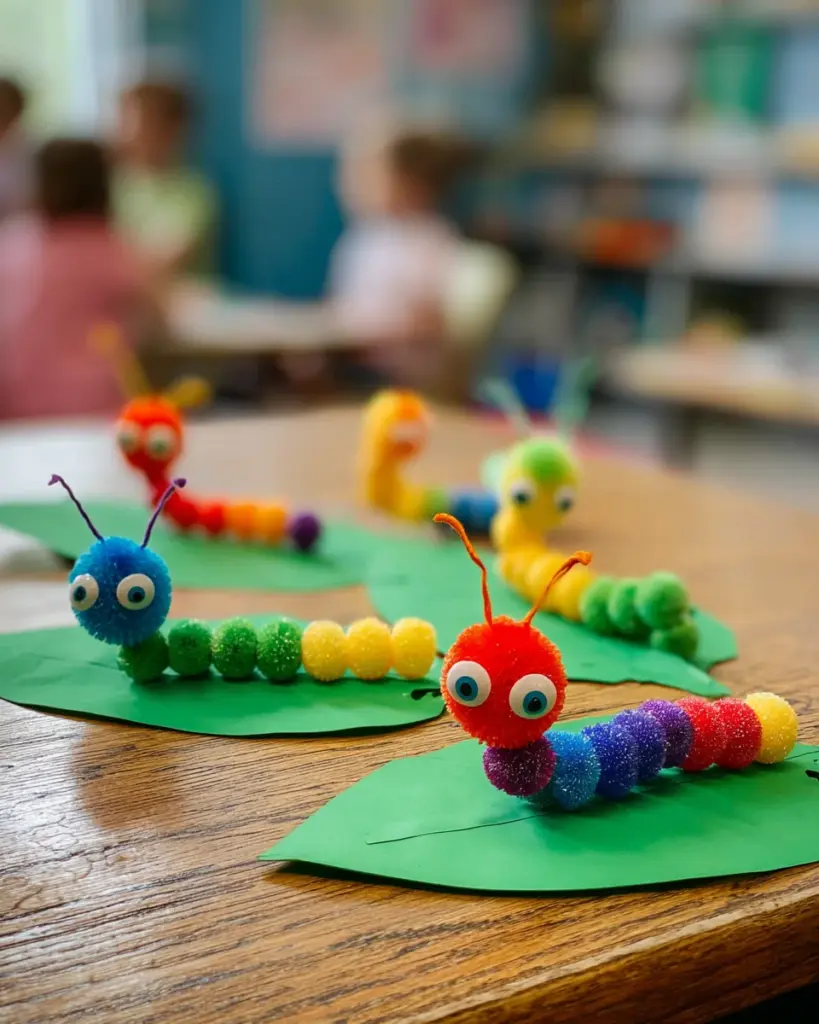
And let’s not forget the “cute factor.” Kids love making things that look fun and friendly, and caterpillars—with their bright colors and googly eyes—are instantly appealing. When a craft sparks joy both during and after the process, you know you’ve found a winner.
Easy, Affordable, and Accessible Materials
One of the most appealing aspects of the bead caterpillar craft is how budget-friendly it is. You don’t need to make a special trip to a high-end craft store or invest in expensive supplies. Most of the materials—like pipe cleaners, pony beads, pom-poms, and googly eyes—are commonly found in dollar stores or basic craft kits. In fact, you might already have everything you need sitting in a drawer at home.
This affordability makes it easier to repeat the activity multiple times without worrying about cost. Kids often want to make more than one caterpillar, and with such low-cost materials, you can encourage that creativity freely. It also means this craft is perfect for classrooms, group activities, or playdates where you need supplies for multiple children.
Accessibility goes beyond just price. These materials are also easy for kids to handle. Pony beads, for example, are large enough for small fingers to grasp without frustration. Pipe cleaners are flexible and forgiving, which means kids can bend and reshape them without needing strength or precision tools.
Another advantage is how easy it is to substitute materials if needed. Don’t have pom-poms? You can roll up a bit of paper or use a larger bead. No green cardstock? Regular paper colored with crayons works just fine. This flexibility removes barriers and keeps the focus on creativity rather than perfection.
In a world where many activities require planning and preparation, having a go-to craft that’s both simple and accessible feels like a breath of fresh air. It’s the kind of activity you can pull together in minutes and still create something memorable.
Suitable for Different Age Groups
Not every craft can adapt to different age levels, but bead caterpillars manage to do it effortlessly. That’s part of what makes them such a versatile activity. Whether you’re working with preschoolers, early elementary kids, or even slightly older children, this craft can be adjusted to match their abilities and attention spans.
For younger kids, the focus is usually on exploration and basic coordination. They might enjoy picking out bright beads and threading them without worrying about patterns or structure. The goal here isn’t perfection—it’s engagement. Even if the beads are spaced unevenly or the caterpillar looks a bit wobbly, the experience is what matters most.
Older kids, on the other hand, can take the activity to another level. They might create specific color patterns, design themed caterpillars, or even incorporate storytelling elements. You could challenge them to make a “rainbow caterpillar” with a repeating sequence or a “camouflage caterpillar” using shades of green and brown. These small challenges keep the activity interesting and mentally stimulating.
This adaptability also makes the craft great for siblings or group settings where kids have different skill levels. Everyone can participate in the same activity while working at their own pace and complexity. That shared experience can be really valuable, especially in family or classroom environments.
It’s rare to find an activity that grows with a child instead of being outgrown quickly. Bead caterpillars manage to do just that, offering something new each time depending on how it’s approached.
Materials You’ll Need for Bead Caterpillar Craft
Before diving into the fun part, it helps to gather everything you need so the process flows smoothly. The beauty of this craft is that the materials are simple, colorful, and inviting—perfect for sparking a child’s curiosity right from the start. When kids see a pile of bright beads and soft pom-poms, they’re already halfway excited to begin.
At the core of this craft are a few essentials: pipe cleaners, assorted beads, pom-poms, googly eyes, green paper or cardstock, glue, and scissors. Each item plays a role in bringing the caterpillar to life, from its wiggly body to its expressive little face. The combination of textures and colors makes the experience both visually and physically engaging.
It’s also helpful to set up a small workspace where kids can easily access the materials. You don’t need anything fancy—a table, a tray, or even a cleared floor space works just fine. Keeping everything within reach reduces interruptions and helps kids stay focused on their creation.
If you’re working with younger children, you might want to pre-cut the leaf shapes or prepare some materials in advance. This keeps the activity flowing and avoids frustration. For older kids, letting them handle more of the preparation can add an extra layer of involvement.
The key is to keep things organized but relaxed. This isn’t about strict instructions or perfect outcomes—it’s about exploration, creativity, and having fun with simple materials.
Choosing the Right Beads and Pipe Cleaners
Not all beads are created equal, especially when it comes to kids’ crafts. For this activity, pony beads are the best choice because of their size and shape. They’re large enough for small fingers to handle بسهولة and have holes wide enough to easily slide onto pipe cleaners. This reduces frustration and keeps the activity enjoyable.
Color variety is another important factor. The more colors available, the more creative freedom kids have. Bright, bold colors tend to be the most exciting, but adding a few unique shades—like metallic or translucent beads—can make the finished caterpillars even more interesting.
Pipe cleaners, sometimes called chenille stems, are equally important. Their flexibility makes them perfect for shaping the caterpillar’s body, while their slightly fuzzy texture helps keep the beads in place. They’re easy to bend, twist, and secure without needing additional tools, which makes them ideal for kids.
Length matters too. Standard pipe cleaners usually work well, but if you want longer caterpillars, you can twist two together. Just make sure the connection is secure so the beads don’t slip off. For younger kids, shorter lengths might be easier to manage.
It’s these small choices—like selecting the right bead size or pipe cleaner length—that can make a big difference in how smoothly the activity goes. When the materials are easy to work with, kids can focus on being creative instead of getting frustrated.
Optional Add-Ons for Extra Fun
Once you’ve mastered the basic bead caterpillar, it’s easy to take things up a notch with a few optional extras. These additions aren’t necessary, but they can make the activity even more engaging and personalized. Think of them as little upgrades that turn a simple craft into something truly unique.
For example, you could add tiny stickers, glitter glue, or markers to decorate the paper leaves. Kids might enjoy drawing patterns, adding flowers, or even creating a whole garden scene for their caterpillar to live in. This expands the activity beyond just building the caterpillar and turns it into a mini art project.
Another fun idea is to use scented markers or textured paper for a sensory twist. These small details can make the experience more immersive, especially for kids who enjoy exploring different textures and smells.
You can also introduce storytelling elements by encouraging kids to name their caterpillars or create a backstory. Maybe one caterpillar is on a journey to become a butterfly, while another is exploring a magical forest. Adding this narrative layer keeps kids engaged longer and sparks their imagination in new ways.
If you’re working with a group, consider turning it into a themed activity. For example, you could have everyone create caterpillars based on a specific color palette or season. This adds a sense of challenge and community to the craft.
The beauty of this activity is how easily it can evolve. With just a few extra touches, a simple bead caterpillar can become a full creative experience that kids will want to repeat again and again.
Step-by-Step Guide to Making Bead Caterpillars
Creating a bead caterpillar is one of those rare activities where the process is just as enjoyable as the final result. It’s simple enough to follow without stress, yet engaging enough to hold a child’s attention from start to finish. The key is to approach each step with a sense of play rather than pressure. There’s no “perfect” caterpillar—only unique ones shaped by each child’s imagination.
Before starting, it helps to lay out all the materials within easy reach. This avoids constant interruptions and keeps kids focused on their creation. You might notice that some children like to plan their design ahead of time, carefully selecting bead colors, while others dive right in and figure things out as they go. Both approaches are completely valid, and part of the fun is seeing how different personalities show up in the finished craft.
As you move through each step, encourage kids to make their own choices. Ask simple questions like, “What color should come next?” or “Do you want a long or short caterpillar?” These small prompts help them feel in control and more invested in the activity. It also turns the craft into a conversation rather than just a set of instructions.
The process itself is calm and repetitive in a good way. Threading beads, bending pipe cleaners, and gluing pieces together can feel almost meditative for kids. It gives them a chance to slow down, focus, and enjoy the moment. And when they finally hold their finished caterpillar, there’s a real sense of pride that comes from creating something with their own hands.
Step 1: Creating the Leaf Base
The leaf base is more than just a background—it sets the stage for the entire craft. Starting with this step gives kids a chance to ease into the activity with something simple and creative. Using green paper or cardstock, help them cut out leaf shapes. These can be big, small, round, or pointed—there’s no need to stick to a specific design.
If you’re working with younger kids, you might want to pre-cut the shapes to keep things moving smoothly. Older kids, however, often enjoy doing this part themselves. It gives them a sense of independence and adds another layer of creativity to the project. Once the leaf is ready, encourage them to draw veins using markers or crayons. This small detail makes the leaf look more realistic and adds a nice artistic touch.
Some kids might want to go beyond just drawing veins. They might add patterns, dots, or even tiny insects on the leaf. Let them explore these ideas freely. This step is a great opportunity to talk about nature—how real leaves look, why they have veins, and where caterpillars might live.
The leaf also helps ground the final piece. Instead of the caterpillar being just a loose object, it becomes part of a little scene. This makes the finished craft feel more complete and meaningful. It’s like giving the caterpillar a home, which kids often find surprisingly satisfying.
Taking time with this step sets a relaxed tone for the rest of the activity. It shows kids that crafting isn’t about rushing—it’s about enjoying each part of the process.
Step 2: Building the Caterpillar Body
This is where the craft really comes to life. Threading beads onto a pipe cleaner is the core of the activity, and it’s often the part kids enjoy the most. Start by handing them a pipe cleaner and a selection of colorful beads. You’ll quickly see their creativity kick in as they begin choosing colors and patterns.
Some kids prefer a structured approach, like alternating colors or creating a rainbow sequence. Others might go for a completely random mix. There’s no right or wrong way here, and that freedom is what makes the activity so engaging. As they thread each bead, they’re also developing fine motor skills and hand-eye coordination without even realizing it.
It’s helpful to remind them to leave a small section of the pipe cleaner empty at one end. This space will be used to attach the head later. Younger kids might need a gentle reminder or a bit of help with this, but that’s all part of the learning process.
You might notice moments of concentration as they carefully guide each bead onto the pipe cleaner. This kind of focused attention is incredibly valuable. It teaches patience and persistence in a natural, low-pressure way. If a bead falls off or gets stuck, it’s an opportunity to problem-solve rather than a reason to get frustrated.
As the caterpillar grows longer, kids often become more excited. They can see their creation taking shape, bead by bead. It’s a simple process, but it feels rewarding because the progress is visible and immediate.
Step 3: Adding the Head and Facial Features
Now comes the part where personality really shines through. Adding the head transforms the beaded string into a character, and kids love this step because it’s where their caterpillar starts to “come alive.” Take a small pom-pom and attach it to the end of the pipe cleaner where you left that extra space.
To secure it, you can bend the pipe cleaner slightly or twist it gently so the pom-pom stays in place. If needed, a small dab of glue can help keep everything secure. Once the head is attached, it’s time for the fun part—adding googly eyes.
Googly eyes instantly give the caterpillar a playful, animated look. Some kids might place them close together for a cute effect, while others might space them out for a sillier expression. You can even experiment with different eye sizes to create unique personalities.
This is also a great moment to encourage storytelling. Ask questions like, “What’s your caterpillar’s name?” or “Is it shy or adventurous?” These little prompts help kids connect emotionally with their creation and extend the activity beyond just crafting.
If kids want to go further, they can add extra details like tiny antennae using small pieces of pipe cleaner or draw a smile with a marker. These small touches make each caterpillar feel unique and special.
This step often brings a lot of laughter and excitement. It’s the moment when the craft shifts from an object to a character, and that transformation is something kids genuinely enjoy.
Step 4: Shaping and Displaying Your Caterpillar
With the body and head complete, the final step is all about bringing movement and life into the caterpillar. Gently bend and curve the pipe cleaner to create a wiggly, crawling shape. This simple action adds a surprising amount of personality to the craft. A straight caterpillar looks fine, but a curved one looks like it’s actually moving across the leaf.
Kids can experiment with different shapes—tight curves, gentle waves, or even loops. Each variation gives the caterpillar a slightly different look and feel. This step is another chance for creativity, even though the craft is nearly finished.
Once the shape is set, place the caterpillar onto the paper leaf. You can glue it down or leave it loose so kids can play with it. Leaving it unattached often adds an extra layer of fun, as kids can move their caterpillar around and create little stories or adventures.
Displaying the finished craft is just as important as making it. Kids feel proud when their work is seen and appreciated. Whether it’s on the fridge, a wall, or a desk, giving the caterpillar a place to “live” reinforces that sense of accomplishment.
You might even create a mini “garden” by making multiple caterpillars and placing them together. This turns a simple craft into a small collection, which kids often find exciting.
By the end of this step, what started as a handful of basic materials has transformed into something colorful, creative, and full of personality. And perhaps the best part? Kids didn’t just make a craft—they experienced the joy of creating something entirely their own.
Creative Variations to Try
Once you’ve made one bead caterpillar, it’s hard not to want to make more. That’s where creative variations come in. This craft is incredibly flexible, which means you can keep reinventing it in new and exciting ways. Instead of repeating the same design, kids can experiment with different themes, colors, and ideas each time they sit down to create.
Variations also help keep the activity fresh. Kids naturally enjoy trying something new, and small changes can make a big difference in how the craft feels. It’s like taking the same basic recipe and adding different ingredients to create a whole new dish.
Encouraging these variations also supports creative thinking. Kids start to ask questions like, “What if I try this?” or “Can I make it look like something else?” That curiosity is exactly what you want to nurture.
Rainbow Caterpillars
Rainbow caterpillars are a classic variation that never gets old. The idea is simple: arrange the beads in a repeating rainbow pattern—red, orange, yellow, green, blue, and so on. But even within this structure, there’s plenty of room for creativity.
Kids can decide how many times to repeat the pattern or mix in unexpected colors for a twist. Some might prefer a perfectly ordered sequence, while others might create a “messy rainbow” with colors scattered throughout. Both approaches are equally fun and valid.
This variation also doubles as a learning opportunity. It helps reinforce color recognition and sequencing skills in a way that feels natural and enjoyable. Instead of memorizing colors, kids are using them in a hands-on, meaningful way.
There’s something visually satisfying about a rainbow caterpillar. The bright, balanced colors make the finished craft stand out, and kids often feel a sense of pride in creating something so vibrant.
Themed Caterpillars (Seasonal or Story-Based)
Taking the craft a step further, themed caterpillars open up a whole new world of possibilities. You can base designs on seasons, holidays, or even favorite stories. For example, a spring-themed caterpillar might use pastel colors and sit on a flower-shaped leaf, while a Halloween caterpillar could feature orange and black beads with a slightly spooky twist.
Story-based themes are especially engaging. Kids might create a caterpillar inspired by a book they love or invent their own character with a unique personality and backstory. This turns the craft into a storytelling experience, blending art with imagination.
You can even tie the activity to learning topics. For example, if kids are learning about butterflies, you can talk about how caterpillars transform and encourage them to imagine what their caterpillar will become.
These themed variations make the craft feel new every time. Instead of just repeating the same steps, kids are exploring new ideas and expressing themselves in different ways.
Safety Tips for Crafting with Kids
Crafting with kids is meant to be fun, relaxed, and a little bit messy—but safety should always quietly sit in the background, guiding the experience without taking away from the joy. The good news is that bead caterpillar crafts are generally very safe, especially when compared to more complex DIY projects. Still, a few thoughtful precautions can make the activity smoother and stress-free for both kids and adults.
One of the first things to consider is the age of the child. Smaller items like beads and googly eyes can be a choking hazard for very young children, so close supervision is essential. If you’re working with toddlers, you might swap out tiny pieces for larger alternatives or simply stay within arm’s reach while they explore. It’s not about limiting creativity—it’s about creating a safe space where kids can explore confidently.
Another key aspect is setting up a safe crafting environment. A clean, clutter-free surface helps prevent accidents and makes it easier for kids to focus. Keep sharp tools like scissors in a designated spot and introduce them only when needed. Teaching kids how to pass scissors safely or how to use them properly can turn even this small moment into a learning opportunity.
Glue is another area to be mindful of. Regular craft glue is usually safe and easy to handle, but if you’re using a glue gun, it should always be handled by an adult or with very close supervision. Burns can happen quickly, and it’s better to be cautious. For most versions of this craft, simple white glue works perfectly well and removes that risk entirely.
It’s also worth thinking about clean-up habits. Encouraging kids to tidy up their materials afterward teaches responsibility and helps prevent accidents like slipping on fallen beads. You can turn clean-up into a game or a timed challenge to keep it fun.
Safety doesn’t have to feel restrictive. When handled naturally, it becomes just another part of the process—like choosing colors or shaping the caterpillar. With a little awareness and preparation, kids can fully enjoy the activity while staying protected.
Supervision and Tool Safety
Supervision doesn’t mean hovering over every move—it’s more about being present and aware. Kids benefit from having the freedom to explore, but they also need guidance when using certain tools or materials. Finding that balance is what makes crafting both safe and enjoyable.
Scissors are often the first tool that comes into play. Even kid-friendly scissors can cause minor injuries if used carelessly. Showing children how to hold and use them properly—cutting away from their body, keeping fingers clear—goes a long way. It’s one of those small lessons that sticks with them beyond just this activity.
If a glue gun is involved, supervision becomes even more important. Hot glue can bond quickly, which is great for crafts but risky for little hands. In most cases, it’s best for an adult to handle the glue gun while kids focus on assembling their caterpillar. This keeps the process moving while eliminating unnecessary risk.
Another subtle aspect of supervision is emotional guidance. Kids might get frustrated if a bead doesn’t go on easily or if something doesn’t turn out as expected. Being there to encourage and support them helps keep the experience positive. Sometimes safety is not just physical—it’s about creating an environment where kids feel comfortable trying, failing, and trying again.
By staying engaged without taking over, you allow kids to learn and grow while still keeping things under control. That balance is what makes crafting such a valuable activity.
Choosing Child-Friendly Materials
Not all craft supplies are created with kids in mind, so choosing the right materials can make a big difference. For bead caterpillars, sticking with non-toxic, washable, and age-appropriate items is the safest route. Most standard craft supplies are labeled accordingly, making it easier to pick the right ones.
When it comes to beads, size matters. Larger beads like pony beads are ideal because they’re easier to handle and less likely to be accidentally swallowed. Avoid very small or sharp-edged beads, especially for younger children. The goal is to make the activity enjoyable, not frustrating or risky.
Pipe cleaners are generally safe, but their wire core can sometimes poke through if bent repeatedly. Checking the ends and folding them inward can prevent scratches. It’s a small step that adds an extra layer of safety without changing the craft itself.
Glue should also be chosen carefully. Washable school glue is usually the best option—it’s easy to clean, safe for skin contact, and strong enough for this type of project. If kids accidentally get some on their hands (which they probably will), it’s no big deal.
Even the paper you use can make a difference. Thicker cardstock is easier for kids to handle and less likely to tear, which reduces frustration. These little choices add up, creating a smoother and safer crafting experience overall.
Educational Benefits Beyond Fun
At first glance, bead caterpillars might look like just a cute, colorful craft—and they are—but there’s a lot more happening beneath the surface. Every step of the process taps into important developmental skills that support a child’s growth in subtle but meaningful ways.
One of the most noticeable benefits is how this activity strengthens cognitive skills. Kids are constantly making decisions—choosing colors, planning patterns, and figuring out how to assemble their caterpillar. These decisions may seem small, but they build critical thinking and problem-solving abilities over time.
There’s also a strong connection to early math skills. Counting beads, creating repeating patterns, and organizing colors all introduce basic mathematical concepts in a hands-on way. Instead of abstract numbers on a page, kids are physically interacting with these ideas, which makes them easier to understand and remember.
Language development can also come into play. As kids describe their caterpillar, explain their choices, or create stories around it, they’re practicing communication skills. Even simple conversations like “I used red and blue beads” help build vocabulary and confidence.
According to early childhood education experts, activities that combine creativity, movement, and decision-making are among the most effective for young learners. Crafts like this hit all three areas at once, making them far more valuable than they might initially appear.
What makes it even better is that kids don’t see it as learning. To them, it’s just fun. That’s the sweet spot—where education happens naturally, without pressure or resistance.
Color Recognition and Pattern Making
Color recognition is one of the earliest skills children develop, and this craft provides a perfect opportunity to reinforce it. With a variety of bright beads in front of them, kids naturally start identifying, naming, and grouping colors. It’s a simple process, but it builds a strong foundation for more advanced learning later on.
Pattern making takes things a step further. When kids arrange beads in sequences—like red, blue, red, blue—they’re learning to recognize and predict patterns. This skill is closely linked to math and logic, even though it feels like play.
You can gently guide this process by asking questions like, “What comes next?” or “Can you make a pattern with three colors?” These prompts encourage thinking without turning the activity into a formal lesson.
Some kids might naturally gravitate toward patterns, while others prefer randomness. Both approaches are valuable. Pattern-making builds structure and logic, while free-form design encourages creativity and experimentation.
Over time, these small experiences add up. Kids become more comfortable recognizing patterns in other areas, from numbers to language. And it all starts with something as simple as threading colorful beads onto a pipe cleaner.
Improving Focus and Patience
In a world full of quick entertainment and constant stimulation, activities that encourage focus are more important than ever. Bead caterpillar crafts offer a gentle way to build attention span and patience without feeling forced.
Threading beads requires concentration. Kids need to align the bead with the pipe cleaner, push it through, and repeat the process multiple times. It’s not difficult, but it does require attention. This kind of sustained focus helps train the brain to stay engaged with a task.
Patience naturally follows. Not every bead will slide on perfectly, and sometimes things don’t go as planned. These small challenges teach kids to slow down, adjust, and keep going. It’s a valuable life skill wrapped in a fun activity.
You might notice moments of quiet as kids become absorbed in their work. That’s a good sign. It means they’re fully engaged, which is something that’s becoming increasingly rare in fast-paced digital environments.
The best part is that this focus is self-driven. Kids aren’t being told to concentrate—they want to, because they’re invested in what they’re creating. That intrinsic motivation is what makes the learning stick.
How to Turn This Craft into a Learning Activity
With just a few small tweaks, this simple craft can transform into a rich learning experience that goes far beyond art. The key is to weave in educational elements naturally, without making it feel like a lesson.
For example, you can introduce counting by asking kids to use a specific number of beads or to count how many they’ve added. You could also challenge them to create patterns or sort beads by color before starting. These small tasks build math skills in a way that feels playful rather than structured.
Storytelling is another powerful addition. Encourage kids to придумать a story about their caterpillar—where it lives, what it eats, or what adventures it goes on. This boosts imagination, language skills, and emotional expression all at once.
You can even connect the craft to science by talking about real caterpillars and their life cycle. Discuss how they grow and eventually become butterflies. This adds a layer of curiosity and helps kids see the connection between their craft and the real world.
If you’re working with multiple children, turn it into a group activity where everyone shares their creations and stories. This builds social skills and confidence.
The beauty of this approach is that it doesn’t require extra materials or complicated planning. It’s all about how you guide the experience. With a little intention, a simple bead caterpillar can become a doorway to creativity, learning, and meaningful interaction.
Conclusion
Bead caterpillar crafts prove that you don’t need complicated supplies or elaborate plans to create something meaningful with kids. With just a handful of colorful materials and a bit of imagination, you can turn an ordinary afternoon into an experience filled with creativity, learning, and connection. What starts as a simple threading activity quickly becomes a multi-layered experience—one that supports fine motor development, encourages self-expression, and builds confidence in a natural, enjoyable way.
There’s also something timeless about crafts like this. They don’t rely on trends, screens, or technology. Instead, they bring kids back to the basics—using their hands, making choices, and creating something from scratch. In a world that often moves too fast, these moments of slow, focused creativity are incredibly valuable.
For parents, caregivers, and educators, this craft offers more than just entertainment. It’s an opportunity to engage with kids, observe how they think, and support their development in subtle ways. Whether it’s helping them choose colors, guiding them through a tricky step, or simply admiring their finished caterpillar, these small interactions build stronger connections.
And for kids, the reward is simple but powerful: they made something. Something colorful, something fun, something uniquely theirs. That sense of ownership and pride is what keeps them coming back to creative activities again and again.
FAQs
2. Can I use alternatives if I don’t have pipe cleaners?
Yes, you can substitute pipe cleaners with soft wires, yarn (with stiffened ends), or even string, though pipe cleaners work best because they hold their shape and are easier for kids to manage.
3. How long does this craft usually take?
On average, it takes about 15 to 30 minutes, depending on the child’s age and how detailed they want their caterpillar to be. Some kids may spend longer adding creative touches and storytelling elements.
4. Is this activity suitable for classrooms?
Absolutely. This craft is ideal for classrooms because it uses inexpensive materials, is easy to organize, and can be adapted for different skill levels. It also encourages group interaction and creativity.
5. How can I store or display the finished caterpillars?
You can place them on shelves, stick them onto paper backgrounds, or even create a “craft wall” to display multiple creations. Some parents also keep them in memory boxes as keepsakes.